Learning Environment using Leap Motion

Project information
- Category: projects
- Client: none
- Project date: December 01, 2022
- Project URL: https://github.com/HunainRaza/Leap-Learn-Game
Overview:
Developed an interactive 3D physics learning environment using Unity and Leap Motion Controller, designed to help students visualize and understand physics principles through hands-on interaction in a virtual space. This educational game was created in response to the challenges posed by the COVID-19 pandemic, which limited physical classroom interactions and practical demonstrations.
Technical Implementation:
Game Engine: Built with Unity3D using C# for scripting and GameObject manipulation
Hardware Interface: Integrated Leap Motion Controller for natural hand tracking and gesture recognition
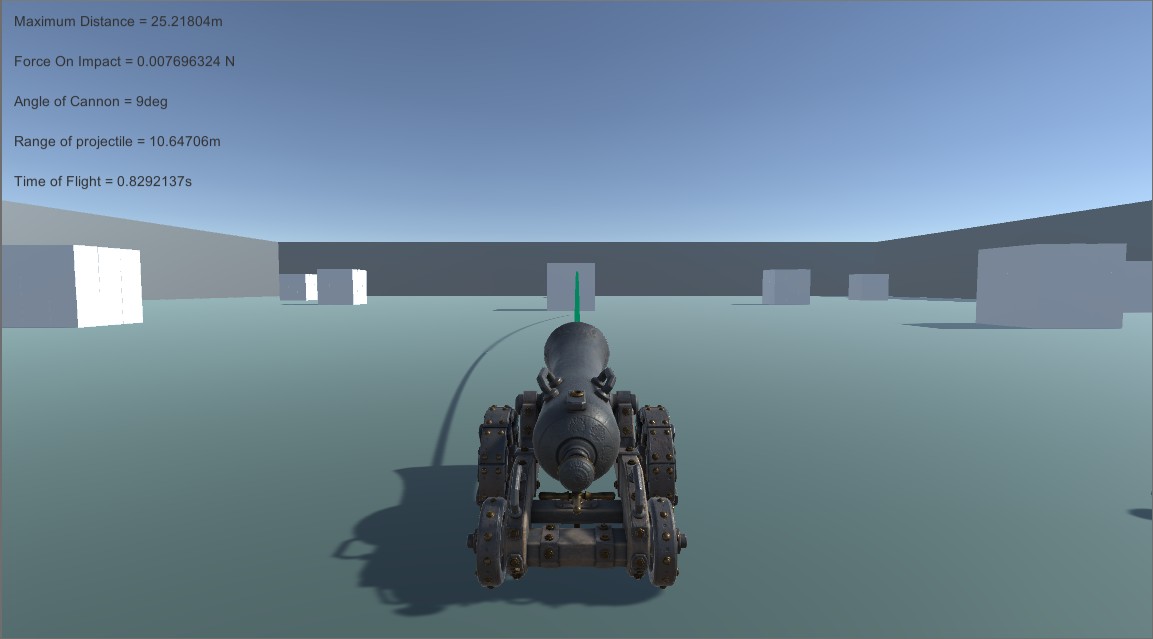
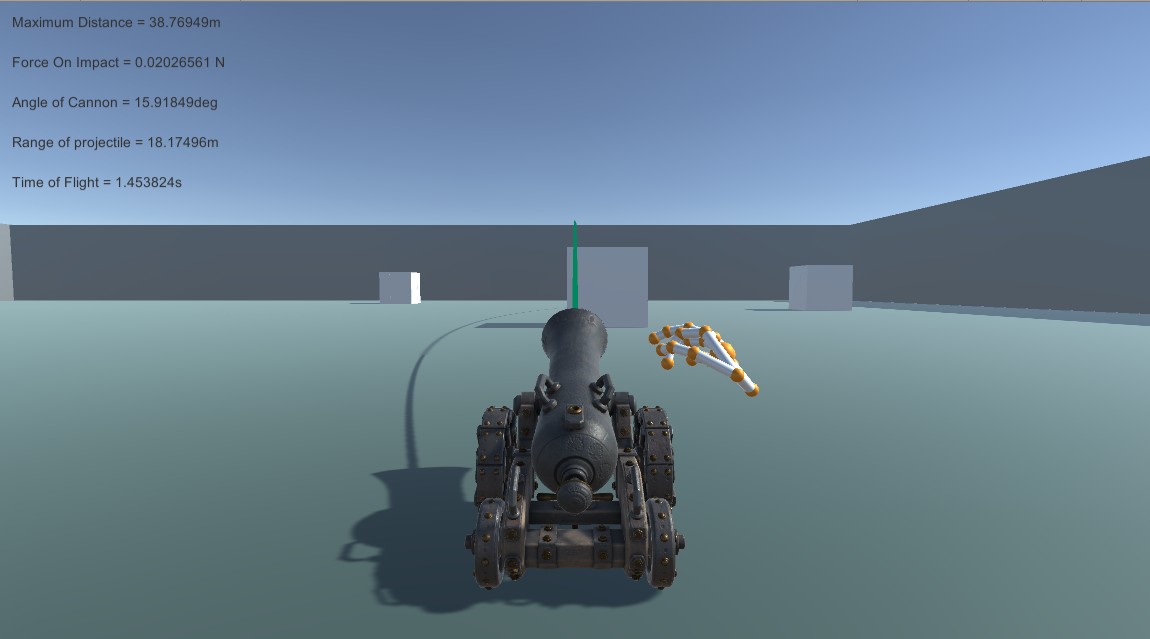
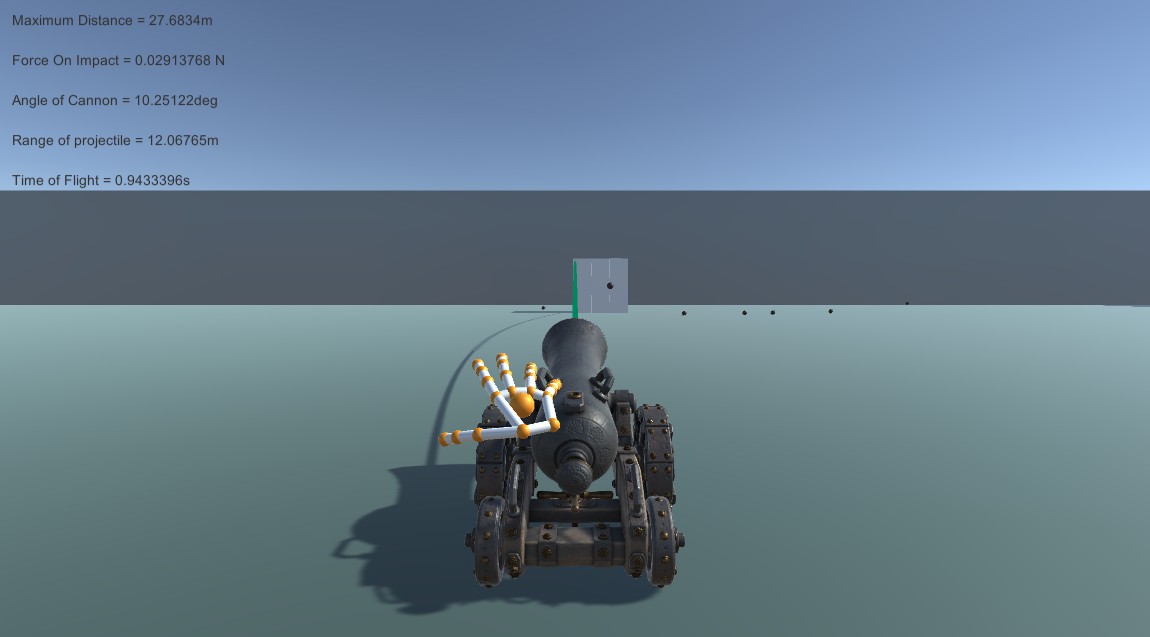
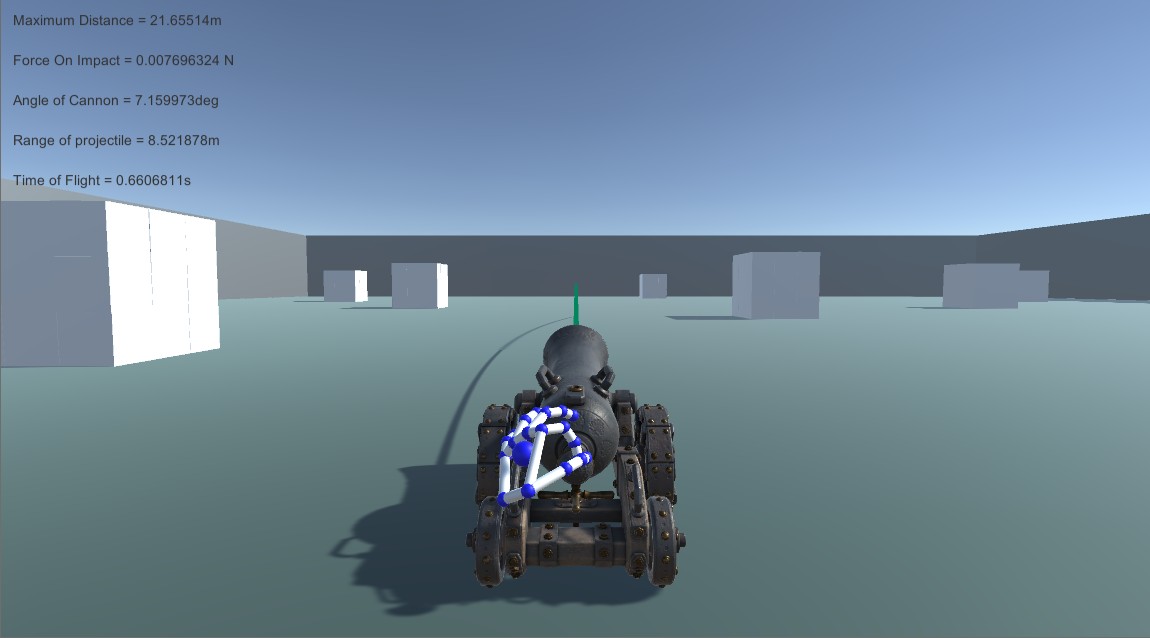
Physics Simulation: Implemented real-time physics demonstrations including projectile motion, force application, and collision dynamics
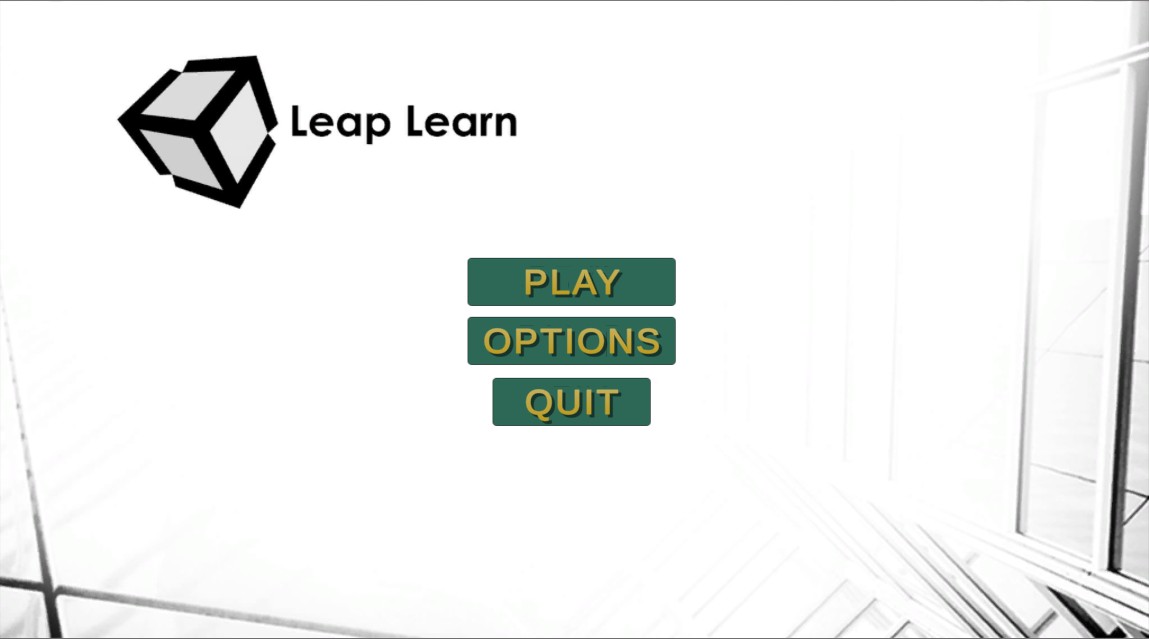
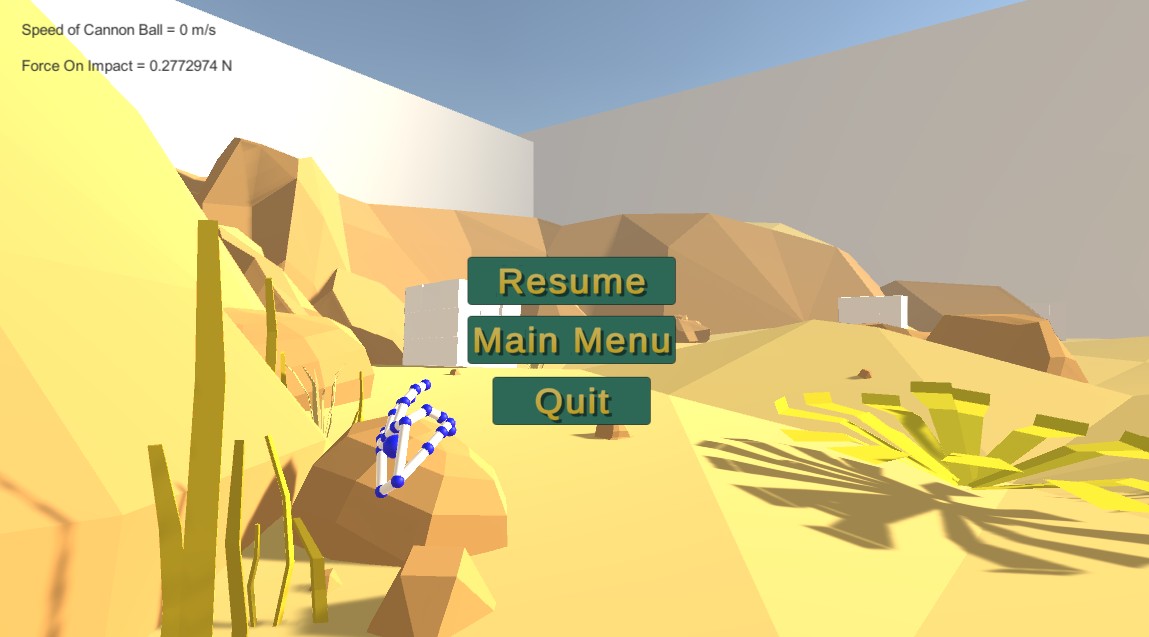
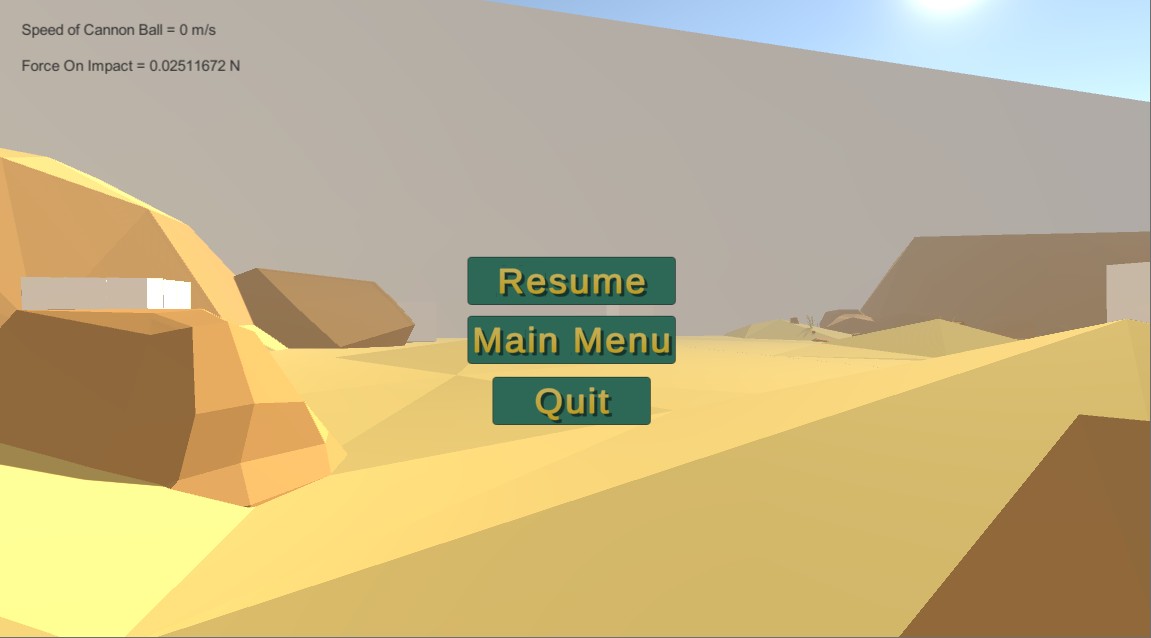
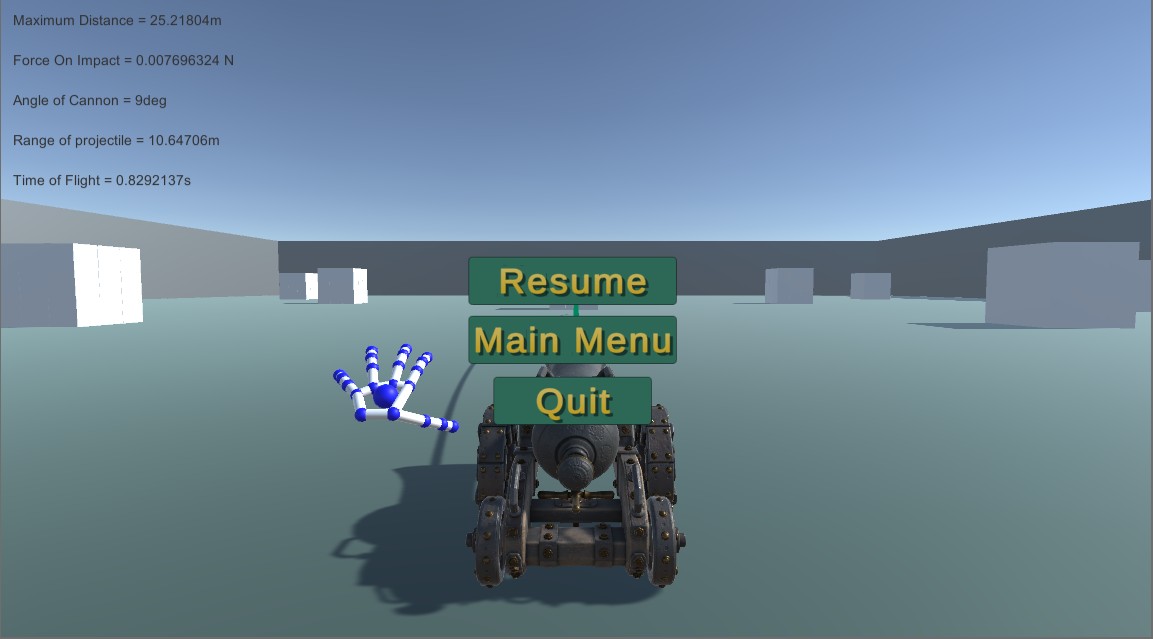
User Interface: Designed an intuitive UI system controlled entirely through hand gestures 3D
Modeling: Created and imported custom 3D assets using Blender for realistic environment representation
Features
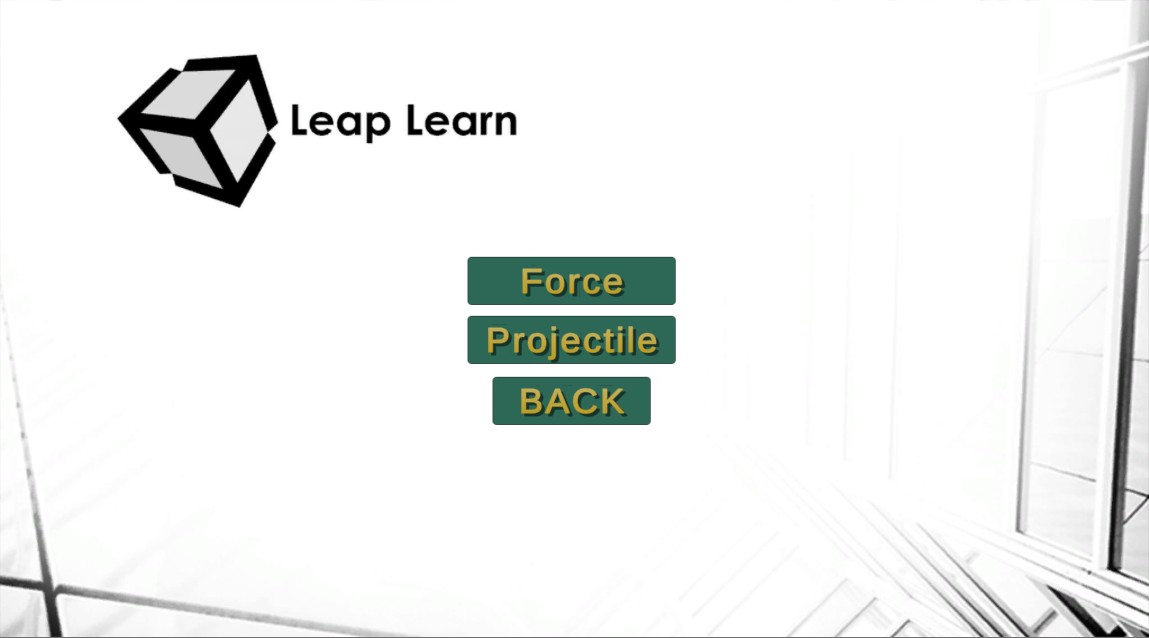
Interactive Physics Modules: Separate game scenes for different physics concepts (Force, Projectile Motion)
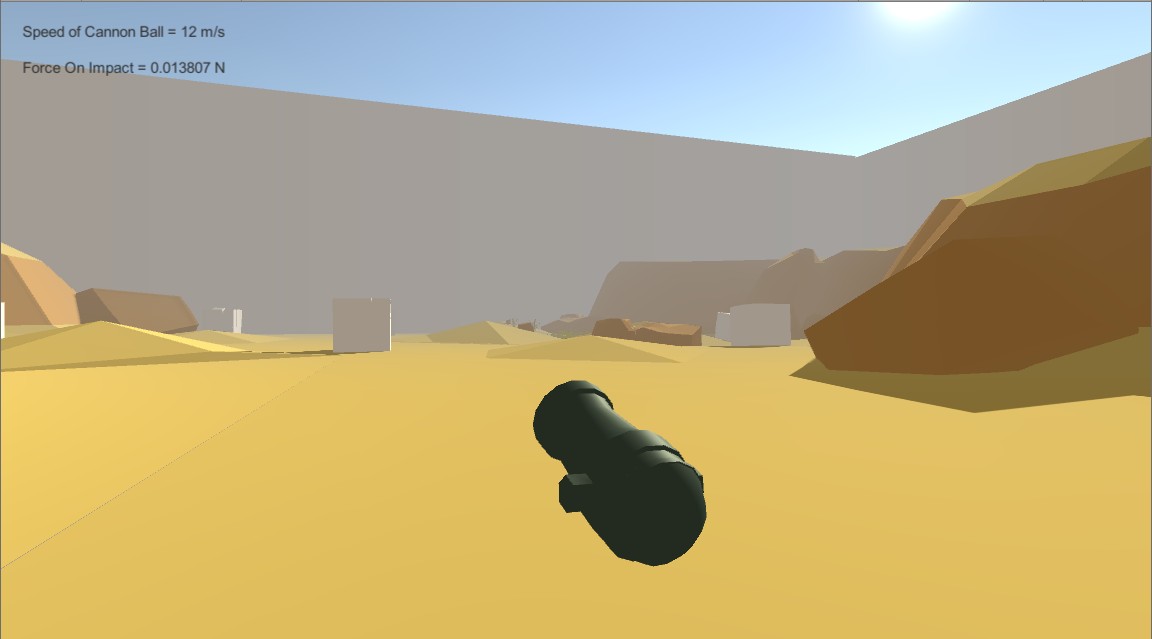
Real-time Data Visualization: Dynamic display of physics parameters including velocity, force, trajectory, and time of flight
Gesture-Based Controls: Natural interaction through intuitive hand movements: Hand position for character movement Palm direction for camera rotation Pinch gestures for object manipulation and menu navigation
Educational Feedback: Visual and numerical feedback showing physics principles in action
Technical Challenges & Solutions
Gesture Recognition: Implemented precise hand tracking algorithms to differentiate between various hand poses
Physics Calculation: Created accurate real-time physics calculations to demonstrate concepts like projectile motion formulas Performance
Optimization: Balanced visual quality with performance requirements to maintain smooth frame rates
Intuitive Controls: Designed natural interaction systems that allowed users to focus on learning rather than controls
Impact:
This project successfully bridged the gap between theoretical physics education and practical demonstration during a time when in-person laboratory experiences were limited. By allowing students to visualize and manipulate physics concepts in a 3D environment using their own hands, the application provided an engaging alternative to traditional learning methods.
Technologies Used:
- Unity3D
- C#
- Leap Motion SDK
- Blender
- PhysX Engine